
Summer Research Fellowship Training Program: Advancing the Science of Firearm Injury Prevention
This 12-week training program will focus on building greater capacity for conducting firearm injury prevention research among faculty, post-doctoral trainees, and doctoral candidates in health-related fields including nursing, public health, medicine, and social work.
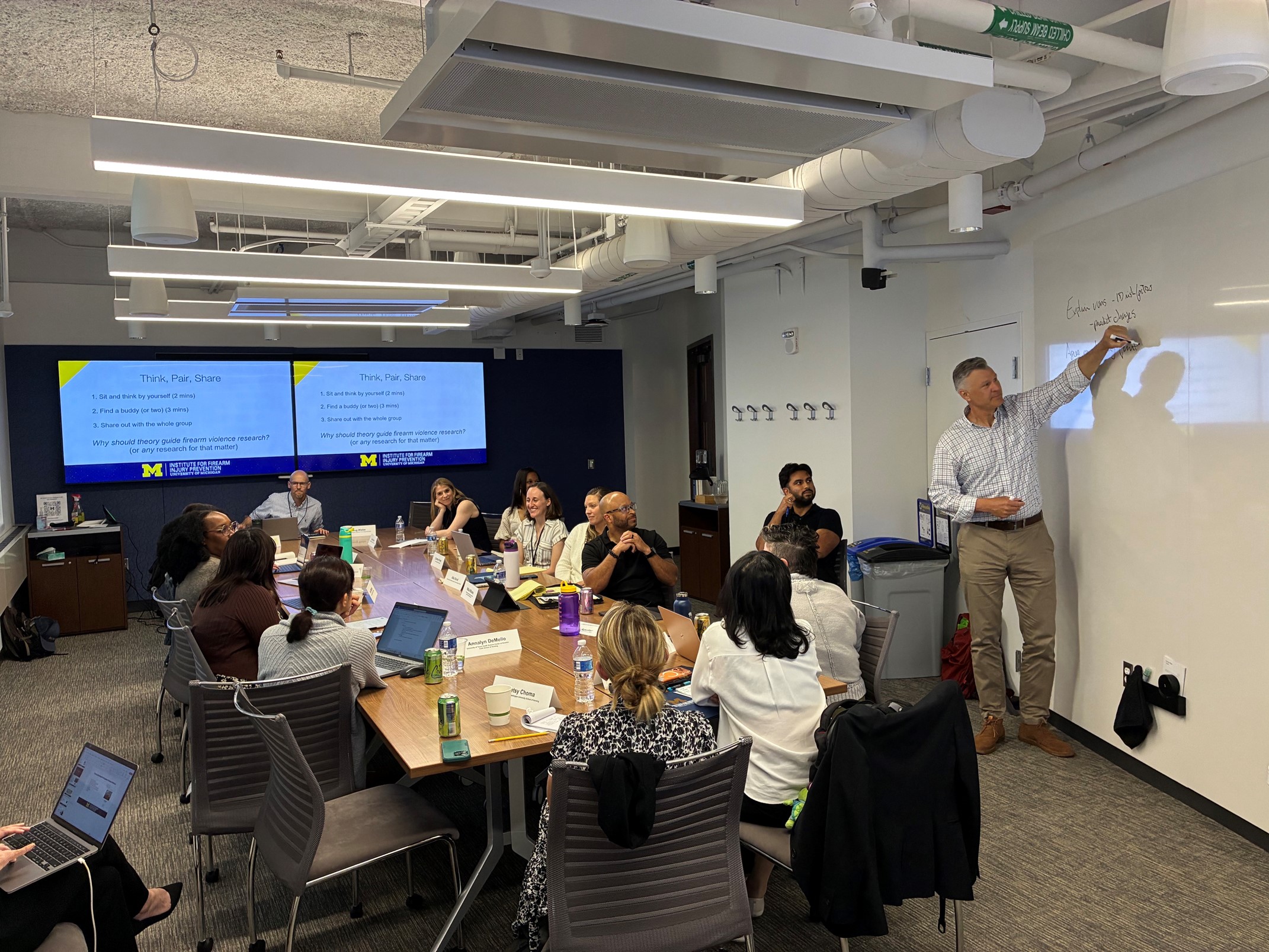
Summer Research Fellowship Training Program
Ready to advance your research career in firearm injury prevention?
The Summer Research Fellowship Training Program offers a short course opportunity for faculty, postdoctoral trainees, and doctoral candidates in nursing and allied health fields to gain hands-on research experience and mentorship.
Each year, ten fellows are selected for this 12-week summer training experience that builds interdisciplinary and collaborative research skills through a mix of online and in-person learning.
Scholars will:
- Complete individualized skill assessments
- Develop personalized learning plans
- Participate in competency-based research training
- Engage in mentored research experiences
- Enhance their understanding of research rigor, reproducibility, and ethics
The curriculum is grounded in established clinical and translational research competencies and tailored to support emerging scholars in the field of firearm injury prevention.
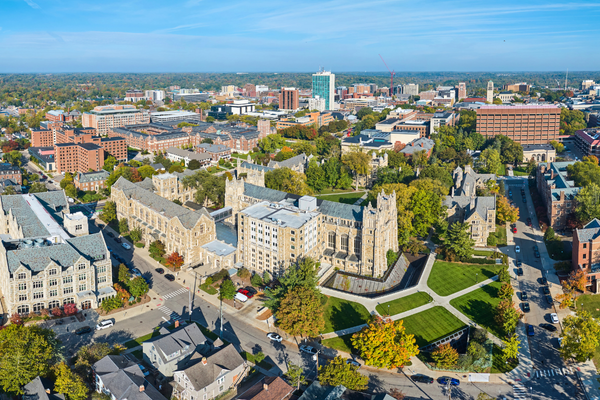
Program Highlights
This multi-dimensional summer research fellowship program includes asynchronous and synchronous learning seminars, applied learning experiences, and tailored career development/mentorship.
Online Learning: Asynchronous course content to promote domain expertise
Classroom Immersion: 1 week in-person in Ann Arbor, Michigan
Mentored Research Experience: 8-12 weeks working virtually one-on-one with a senior mentor in firearm injury research
Learning Network: Interact with cohort and future scholars
Who Should Apply?
Faculty, post-doctoral trainees, and doctoral candidates in health-related fields including nursing, public health, medicine, and social work are encouraged to apply.
We are especially interested in developing or establishing nurse scientist scholars.
Note: Applicants must be U.S. citizens or permanent residents.


Program Dates 2027 Cohort
Application Deadline: December 16, 2026 @ 11:59 PM ET
Applications are reviewed and decisions are made on a rolling basis.
Asynchronous Coursework: Spring 2027
In-person Classroom Immersion: May 17-21, 2027
Virtual Mentored Research Experience: May 24-July 16, 2027
Costs related to travel, lodging and meals during the in-person classroom immersion will be covered.
Application Process
Potential scholars should submit an application package including:
- A written statement (500–1000 words) describing your firearm injury prevention research interests, short- and long-term career goals, and/or potential faculty mentors for the fellowship.
- Up to two letters of recommendation that endorse your participation in the program and describe its potential impact on your career. There are no restrictions on who may provide these letters.
- Curriculum Vitae
Applications for the 2027 cohort are now open.
Questions? Email [email protected]
Curriculum
This 12-week summer training program features a five-phase curriculum that builds core research skills through a mix of online and in-person learning.
Orientation
Prior to the in-person classroom immersion, scholars will attend a virtual orientation, complete a needs assessment, and receive an Individual Development Plan (IDP) template. In consultation with their mentors, scholars will use the IDP to identify career goals, assess their current skills and experience, and plan their professional development. The completed IDP will guide ongoing conversations about each scholar’s mentored research experience and broader professional and career development.
Asynchronous Learning
Before the in-person classroom immersion, scholars complete approximately 50 hours of asynchronous coursework, including the Science of Firearm Injury Prevention Massive Open Online Course and online Responsible Conduct of Research training. Scholars will gain foundational knowledge in firearm injury prevention, learn applied research concepts like community engagement, and generate ideas for their mentored research projects. They also build a strong ethical and research foundation for the program with human subjects research protection training and Good Clinical Practice certification.
In-person Classroom Immersion
Following the preparation phase, scholars participate in a one-week immersive, in-person classroom experience in Ann Arbor, MI. This interactive, synchronous learning builds on the foundational knowledge from the online coursework through activity-based seminars, problem-solving exercises, case studies, and panel presentations.
Scholars explore nine key domains of firearm injury research, guided by U-M faculty and guest panels, with a focus on applying, analyzing, and synthesizing research concepts. Objectives include deepening understanding of the research process, interpreting frameworks and methods, evaluating study designs, comparing approaches to community engagement, and enhancing rigor, reproducibility, and responsible conduct in research–all while engaging with fellow cohort members.
Mentored Research Experience
The program emphasizes experiential learning through mentored research. Scholars are paired with faculty mentors based on their applications, research interests, and orientation discussions, with plans tailored to each scholar’s career stage and expertise to align with academic and research goals.
Collaboration begins during the preparation phase, with scholars reviewing protocols, publications, and grant proposals. This continues through the one-week in-person classroom phase in Ann Arbor, where mentor relationships are strengthened and plans for the 8–10 week virtual research experience (~150 hours) are finalized. Local or U-M scholars may participate in person, and scheduling flexibility accommodates varied career stages.
The experience embeds scholars in research teams to gain applied skills, technical guidance, and insight into real-world scientific decision-making. Weekly virtual seminars complement the hands-on work, covering research rigor, responsible conduct, scientific communication, networking, and media skills, creating a comprehensive and immersive training experience.
Learning Cohort/Network
After the 12-week program, scholars may continue working with mentors for up to 200 additional hours to advance ongoing research projects, such as preparing manuscripts. The Institute plans to host a bi-annual virtual alumni meeting and an in-person alumni retreat, giving alumni a chance to share their research and career progress, while current scholars can network with experienced alumni for guidance and mentorship. These opportunities will help foster a connected community of emerging researchers in firearm injury prevention.
Program Faculty
The multi-disciplinary faculty from across U-M’s campus (shown below) are all potential mentors for research fellows in the training program.
Executive Committee
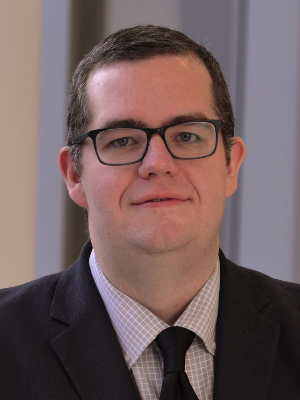
Patrick Carter, MD
Co-Program Director (PD)
M-PI
Executive Committee (EC) Member
Mentorship focus areas: hospital-based violence interventions; technology assisted behavioral interventions; implementation science; clinical trials in healthcare
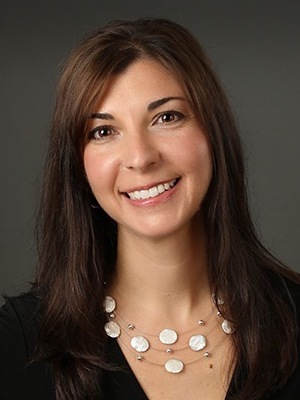
Sarah Stoddard, PhD, RN
Co-Program Director (PD)
M-PI
Executive Committee (EC) Member
Mentorship focus areas: career development as a nurse scientist, adverse childhood events (ACEs), youth violence, and community participatory research

Hsing-Fang Hsieh, PhD
Associate Program Director
Co-I
EC Member
Mentorship focus areas: health disparities research, structural racism, community participatory research, and evaluation methods
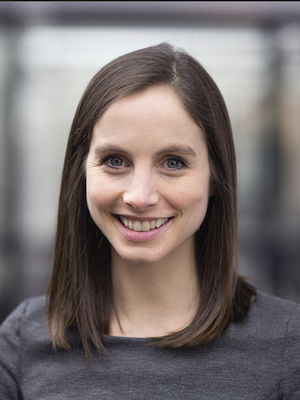
Rebeccah Sokol, PhD
Associate Program Director
Co-I
EC Member
Mentorship focus areas: school-based research, administrative data analysis, trauma-informed practice, and, social/structural determinants of health
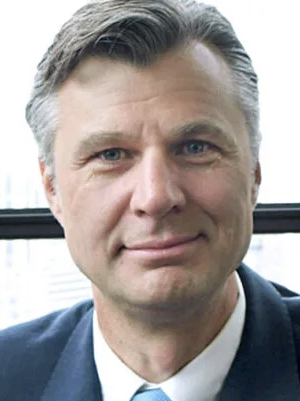
Doug Wiebe, PhD
Associate Program Director
Co-I
EC Member
Mentorship focus areas: cluster randomized trials, experimental/quasi-experimental designs, place-based and geospatial analyses, and structural or place-based community interventions
Course Faculty
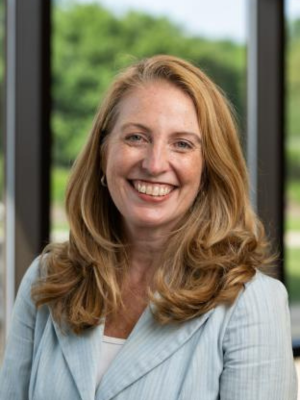
Cynthia Ewell Foster, PhD
Course Faculty
Mentorship focus areas: community-engaged interventions, rural firearm suicide prevention, implementation science, and evaluation science
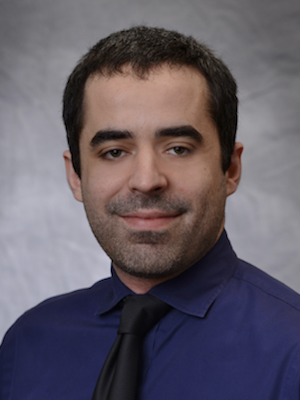
Jason Goldstick, PhD
Course Faculty
Mentorship focus areas: clinical firearm screening tools, real-time surveillance systems for firearm data, and the analysis of longitudinal and spatially dependent firearm data
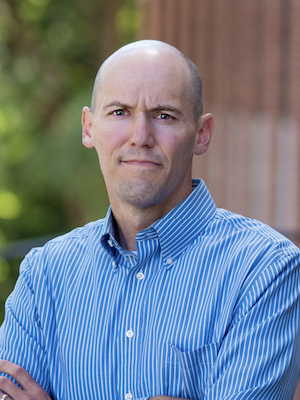
Justin Heinze, PhD
Course Faculty
Mentorship focus areas: school violence prevention, community-engaged research, and built-environment interventions for firearm violence prevention
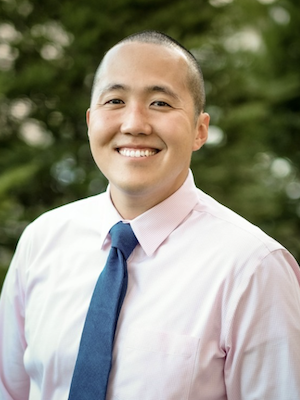
Daniel Lee, PhD
Course Faculty
Mentorship focus areas: quantitative measurement and psychometrics, as well as community- and neighborhood determinants of health
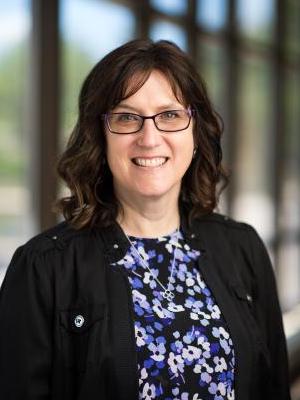
Maureen Walton, PhD, MPH
Course Faculty
Mentorship focus areas: behavioral intervention development and rigorous evaluation (e.g., RCTs), novel research designs (e.g., SMART, MOST, MRTs), digital interventions, and the role of substance use in firearm injury
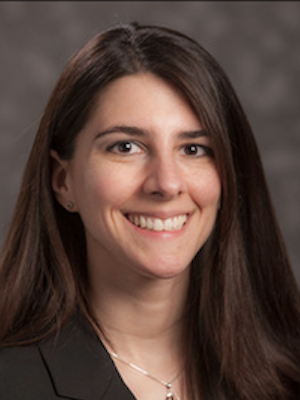
April Zeoli, PhD, MPH
Course Faculty
Mentorship focus areas: policy evaluation, intimate partner violence (IPV), domestic violence restraining orders (DVROs), and extreme risk protection orders (ERPOs)
Mentoring Faculty
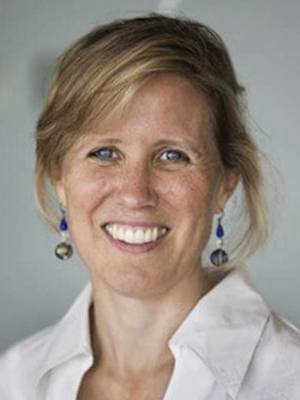
Amy Cohn, PhD
Mentoring Faculty
Mentorship focus areas: engineering solutions to complex health problems such as firearm injury.
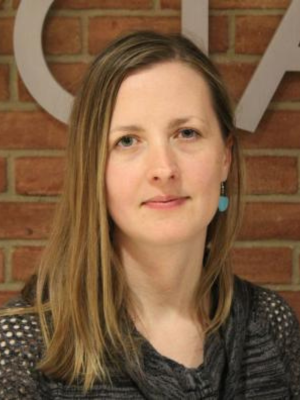
Ewa Czyz, PhD
Mentoring Faculty
Mentorship focus areas: firearm suicide, development of interventions for individuals at elevated suicide risk, research protocols with youth/adults recruited from acute healthcare settings, intensive longitudinal data collection (daily diaries; EMA), and integrating motivational interviewing and technology for suicide-specific interventions.
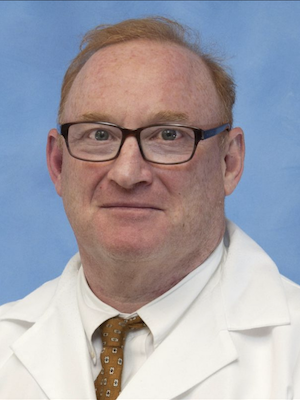
Peter Ehrlich, PhD
Mentoring Faculty
Mentorship focus areas: firearm injury data and hospital-based firearm injury recovery.
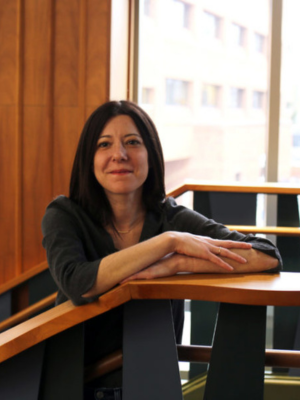
Kristi Gamarel, PhD, EdM
Mentoring Faculty
Mentorship focus areas: health factors related to firearm outcomes, research in communities, peer-delivered interventions, and participatory research methods
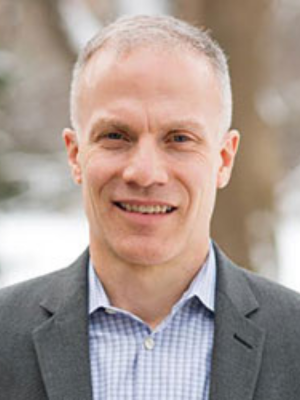
Todd Herrenkohl, PhD, MSW
Mentoring Faculty
Mentorship focus areas: Adverse Childhood Experiences (ACEs) and health outcomes related to ACE exposure
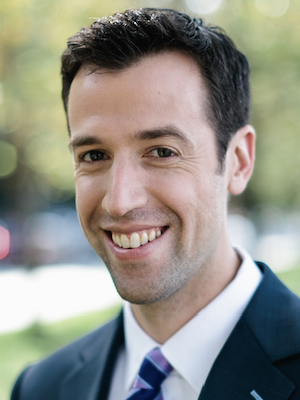
Luke Hyde, PhD
Mentoring Faculty
Mentorship focus areas: ACEs, mental health, and firearm violence
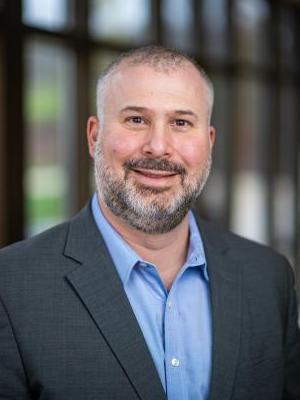
Mark Ilgen, PhD
Mentoring Faculty
Mentorship focus areas: firearm suicide prevention, the relationship between substance use and suicide, and the conduct of research among military and veteran populations
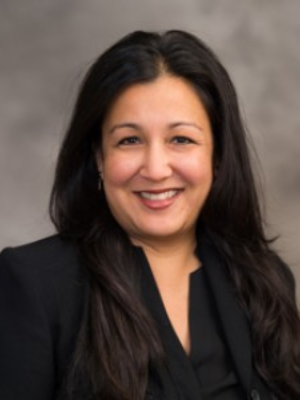
Yasamin Kusunoki, PhD, MPH
Mentoring Faculty
Mentorship focus areas: intimate partner violence, sexual violence, reproductive coercion, and career development as a researcher in a nursing school context
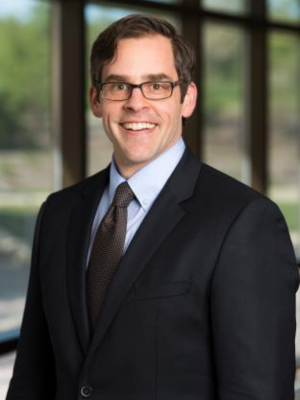
Donovan Maust, MD
Mentoring Faculty
Mentorship focus areas: health services research and firearm safety in older adults, particularly firearm injury risks for older adults experiencing cognitive decline
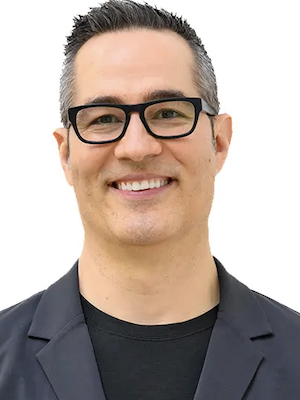
Sean Esteban McCabe, PhD, MSW
Mentoring Faculty
Mentorship focus areas: analysis of large-scale national data and the relationship between substance use and firearm risk behaviors
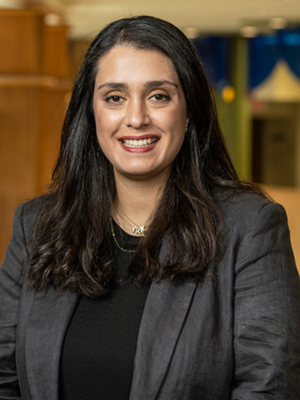
Roshanak Mehdipanah, PhD, MS
Mentoring Faculty
Mentorship focus areas: housing policies and zoning laws and their relationship to firearm violence outcomes, and the potential for built environment interventions
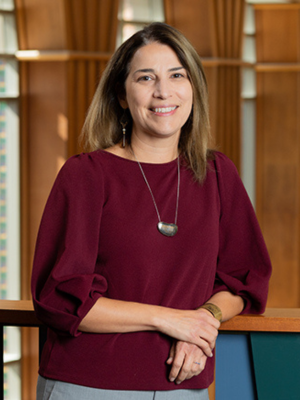
Briana Mezuk, PhD
Mentoring Faculty
Mentorship focus areas: population health and firearm suicide risk among older adults
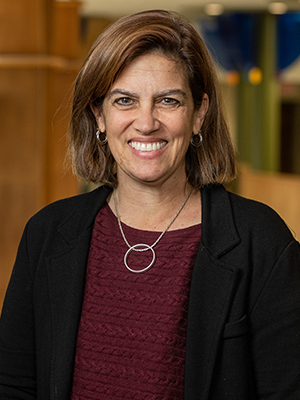
Alison Miller, PhD
Mentoring Faculty
Mentorship focus areas: child/adolescent development, parental firearm safety in early childhood, and the influence of stress, poverty, and parenting on child health and mental health
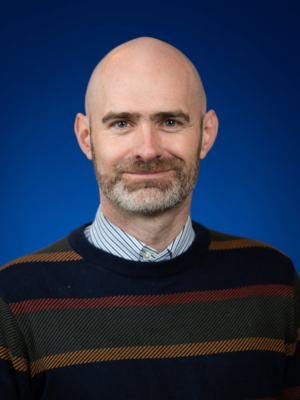
AJ Million, PhD
Mentoring Faculty
Mentorship focus areas: access/use of data repositories for secondary analysis of existing firearm data (e.g., National Archive for Criminal Justice Data; IFIP Repository) and cross-linkage of data for integrated analysis
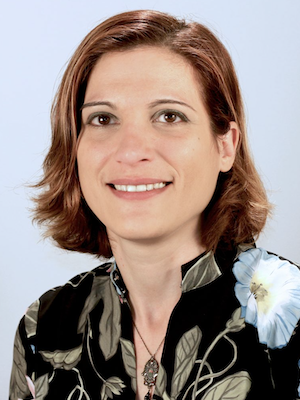
Inbal (Billie) Nahum-Shani, PhD
Mentoring Faculty
Mentorship focus areas: m-health methods and adaptive trial designs for firearm injury prevention
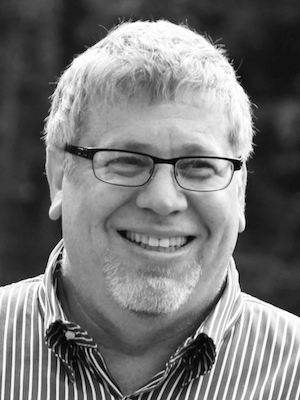
Ken Resnicow, PhD
Mentoring Faculty
Mentorship focus areas: motivational interviewing, behavioral intervention development, health outcomes research, and m-health intervention methods
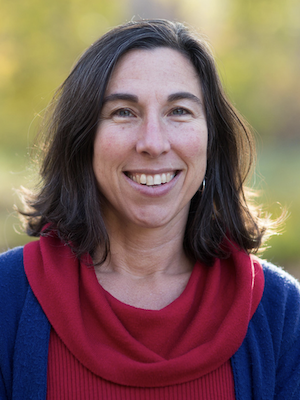
Lisa Wexler, PhD, MSW
Mentoring Faculty
Mentorship focus areas: suicide prevention, Alaskan Native (AN) populations, and community-based participatory research
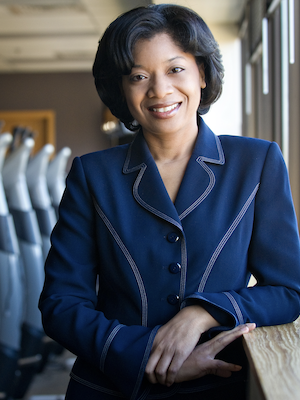
Susan Woolford, MD, MPH
Mentoring Faculty
Mentorship focus areas: technology-enhanced interventions, human factors and health outcomes, and community-engaged implementation research
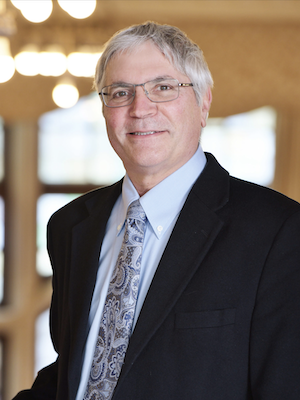
Marc Zimmerman, PhD
Mentoring Faculty
Mentorship focus areas: community-based participatory research, youth firearm violence prevention, adolescent resilience, built environment interventions, and school safety
This program is supported by the National Institute of Nursing Research of the National Institutes of Health under Award Number R25NR021382. The content is solely the responsibility of the authors and does not necessarily represent the official views of the National Institutes of Health.